At Dreamforce 2025, industry leaders from Continuous, FULLPRESS, and Dynatrace explored how AI and unified data are transforming the quote-to-cash journey. The discussion revealed a fundamental shift in how companies define and monetize value.
AI-Driven Shift to Outcome-Based Models
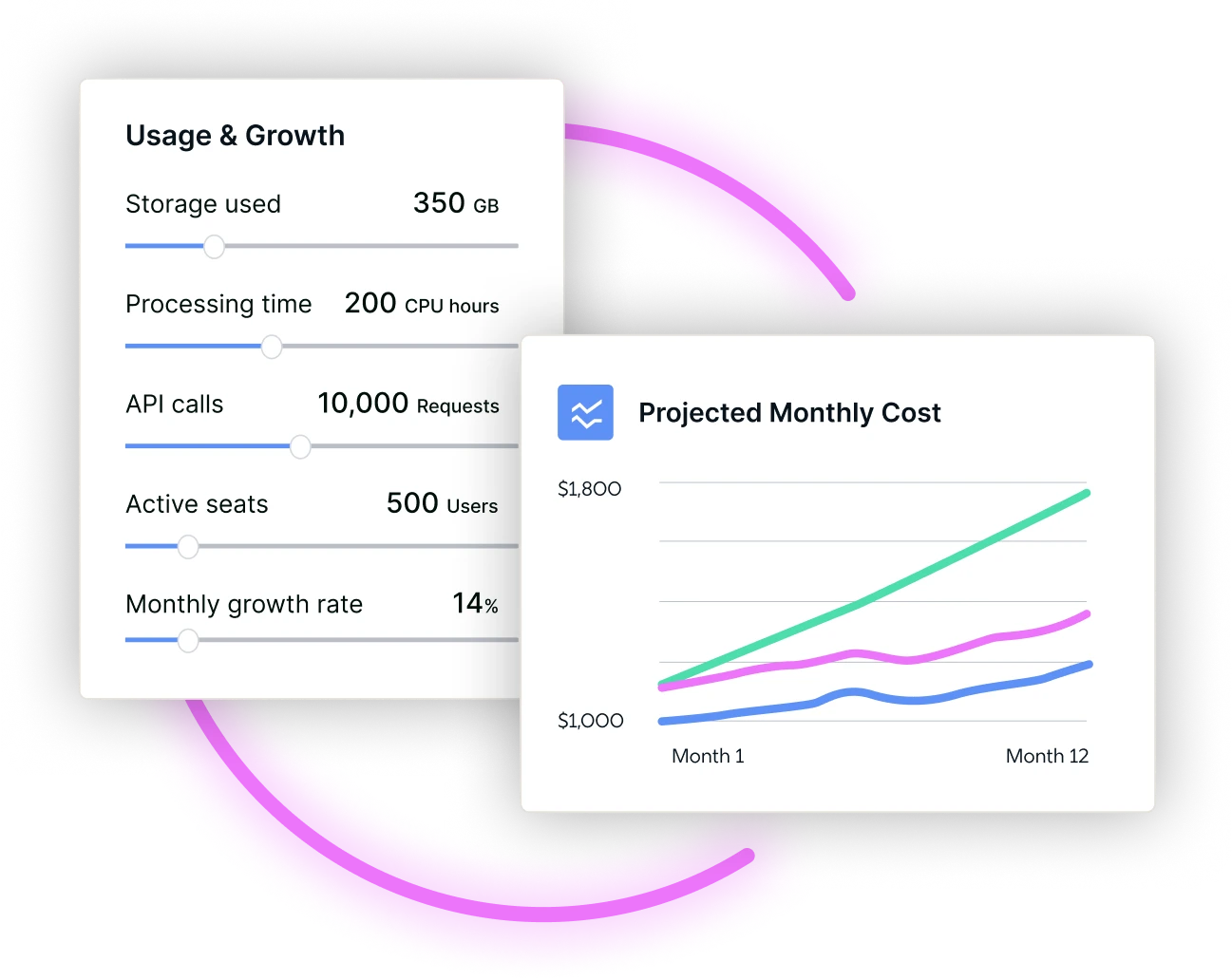
Artificial intelligence is enabling companies to move beyond input-based pricing (like seat licenses) toward outcome-based models that reflect measurable customer value. Rather than static "buy X seats" pricing, organizations now offer "pay for Y results" frameworks where charges align with actual usage and delivered benefits.
This flexibility allows companies to introduce AI capabilities as add-ons, usage credits, or pilot programs. "When you tie usage directly to customer value, pricing becomes objective, not guesswork" — highlighting how fairness emerges through transparent value delivery.
Connected Data as the Foundation
Unified data systems are essential for enabling this shift. One panelist described moving from overnight batch processing to real-time insights, reducing analysis time from six hours to minutes. Transparency emerged as a competitive advantage — sharing consumption data directly with customers builds trust and drives proactive engagement.
The importance of incremental progress was emphasized: starting with daily or hourly reporting before advancing to real-time capabilities allows organizations to build capabilities systematically.
New Performance Metrics
Traditional KPIs like ARR and MRR no longer capture the complete picture. Emerging metrics include:
- Consumption cohorts — tracking adoption patterns across customer segments
- Overage revenue — monitoring customers exceeding commitments as an adoption indicator
- On-demand revenue tracking — measuring growth driven through actual usage
When financial and product data integrate, finance teams shift from reactive to strategic roles.
Quote-to-Consumption Framework
The industry is moving beyond traditional quote-to-cash toward continuous, data-driven lifecycle management. Key recommendations from panelists:
- Establish a clear AI strategy with defined data requirements
- Prioritize customer experience through transparent usage communication
- Design systems for flexibility as pricing models evolve
The unified approach means sales configuration, billing, and revenue recognition flow seamlessly across systems, eliminating manual workarounds and spreadsheet dependencies.